


Tampa Bay Estuary Conservation: A Practical Guide for Anglers
October 12, 2026
By: Saxon Graham, Fishing Department
If you fish in Tampa Bay, or other surrounding waterways in Pinellas, Hillsborough, or Manatee County, you know how important healthy water is to a good catch. But fishing can also give you a unique stake in local conservation. Here’s how recreational and commercial fishermen in the Tampa Bay area can get involved with efforts to keep the estuary clean and fishable, and what challenges you may face along the way.
Why Tampa Bay’s Water Quality Matters to Anglers
Tampa Bay is Florida’s largest open-water estuary, and it relies on more than just the tides. Approximately 80% of the hundreds of billions of gallons that flow into the bay each year come from rivers and the surrounding 2,200-square-mile watershed. Tampa Bay Conservation Issues
Threats That Affect Fish Populations and Habitat
The bay and its connected waterways face serious threats: wastewater and sewage pollution, stormwater runoff, nutrient overload (which can drive harmful algal blooms), sediment and chemical contamination, plus stress on seagrass beds, oyster reefs, and other essential habitats.
For fishermen, that means fewer fish, degrading habitat, murkier water, and even health risks from pollution. By getting involved in local conservation efforts, anglers are not just saving fish, they are investing in the long-term viability and quality of the waters they use, supporting seagrass, oysters, and clean water for all.
Actionable Ways Fishermen Can Get Involved
If you want to help as a fisherman, there are concrete, accessible ways to join the effort. Here is how you, or fishing clubs you belong to, can make a real difference:
❖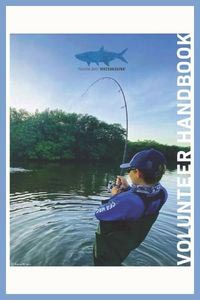 Volunteer with Tampa Bay Waterkeeper
- Their volunteer page lists many ways to help, including serving as an Outreach and Education Ambassador (helping spread awareness about water quality issues) or participating in their Patrol Program, which encourages citizens to report pollution incidents, injured wildlife, or habitat concerns.
- Their volunteer water-quality sampling program allows residents, including recreational fishermen, to collect water samples in the bay, contributing real data used for trend analyses, human-health risk assessments, and holding polluters accountable. Tampa Bay Waterkeeper Volunteer Opportunities
- Their mission explicitly focuses on keeping waters “fishable, swimmable, and drinkable”, which aligns well with anglers’ interests. Tampa Bay Waterkeeper Mission
❖  Partner with Tampa Bay Watch and Tampa Bay Estuary Program (TBEP)
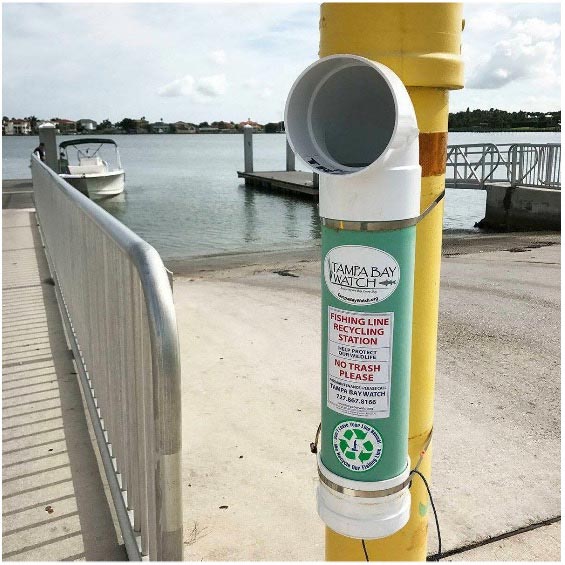
- Tampa Bay Watch runs habitat-restoration projects that rely on volunteers for tasks like oyster reef ball construction and installation, native plantings, fishing-line recycling, coastal cleanups, and invasive plant removal.
- For example, adopting and maintaining a “monotube” for monofilament (fishing line) recycling helps prevent stray line from entangling wildlife – a tangible way fishermen can reduce harm to the bay. Tampa Bay Watch
- TBEP’s “Give A Day For The Bay” events organize periodic cleanups and habitat-restoration days in parks and preserves throughout the watershed — a good match for anglers who want to contribute beyond mailing letters or making donations. Tampa Bay Water Atlas
- TBEP also offers “Bay Mini-Grants” for community-based environmental restoration and education projects. If you are part of a fishing club or local group, you might propose a project, for instance, a shoreline-cleanup initiative or a volunteer monitoring program and apply for funding. Tampa Bay Estuary Program
 ❖ Participate in FWC Habitat Restoration
- The FWC’s Aquatic Habitat Conservation and Restoration (AHCR) Section regularly undertakes projects to restore and enhance marine and estuarine habitats, including marshes, seagrass beds, oyster reefs, and coastal wetlands, which are critical to fisheries. More Information Here
- As a fisherman, you can volunteer with FWC on these projects: helping plant marsh vegetation, build or monitor oyster reefs, assist with seagrass work, or partake in marine-debris cleanups.
- FWC also offers volunteer opportunities through outreach, fisheries-management support, and wildlife surveys, for example, collecting monofilament fishing line for recycling statewide. FWC Volunteer Information
 ❖ Contribute to Citizen Science and Reporting
- As a frequent user of the bay, fishermen are often among the first to notice small-scale pollution, distressed wildlife, dead fish, or odd conditions after storms. The patrol/monitoring programs from Tampa Bay Waterkeeper or FWC provide a direct avenue to report such events and contribute to ongoing data collection efforts.
- Working with restoration organizations also offers opportunities to help build fishing-friendly habitat (like oyster reefs or seagrass beds), which both improve ecosystem health and enhance future fish stocks.
Conservation Success Stories in Tampa Bay
The collective efforts of these groups have already made measurable progress:
- Tampa Bay Waterkeeper has helped organize monitoring and reporting structures, citizen-led patrols, and advocacy for water quality, striving to ensure that water remains fishable and swimmable.
- Through TBEP’s Comprehensive Conservation and Management Plan (CCMP), the bay’s long-term blueprint includes restoring seagrass meadows, oyster bars, salt marshes, tidal flats, and controlling pollution, a science-based approach to protect and restore ecosystems vital for fisheries. More Info Here
- Tampa Bay Watch’s volunteer-based oyster-reef restoration, fishing-line recycling, and coastal cleanup projects have engaged thousands of local volunteers.
- The FWC’s marine and estuarine habitat restoration has directly supported fish, wildlife, and habitat health, with projects targeting seagrass recovery, oyster reefs, coastal wetlands, and more.
Together, these efforts help safeguard the natural infrastructure that sustains fish populations, supports biodiversity, and ensures that Tampa Bay remains a productive fishery for generations.
Challenges Facing Estuary Conservation
Getting involved is great, but it also comes with challenges. Here are some of the headwinds to be aware of:
⚠️ The Scale of the Problem vs. Volunteer Effort
- The watershed feeding Tampa Bay covers thousands of square miles, including urban areas, suburbs, and rural lands. Pollution sources are diffuse: stormwater runoff, faulty septic systems, nutrient-rich discharge, storm drains — which means that cleaning up a small stretch of coastline is a drop in an exceptionally large bucket.
- Even with dedicated volunteer effort, restoring and protecting key habitats (seagrass, oyster beds, salt marshes) requires sustained, large-scale, long-term work, and the benefits may not show for years.
⚠️ Habitat Restoration is Complex and Often Seasonal
- Many restoration efforts are constrained by tides, funding, permits, and biological timing. For example, oyster-reef installation or marsh plantings might only be feasible in certain seasons. Tampa Bay Watch notes that many of their projects depend on tide schedules, and that summers (due to heat and school breaks) tend to be slow.
- Some efforts require heavy labor, training, or commitment (e.g., building reef balls, adopting “monotubes” for line recycling, or regular monthly maintenance). Not everyone may have the capacity or time.
⚠️ The Need for Coordination, Science, & Policy Support
- While citizen action is crucial, long-term success usually depends on coordinated planning, scientific monitoring, regulatory oversight, and government or institutional support. For example, the restoration targets for seagrass acreage, salt marshes, oyster bars, and other habitats in the bay are set under the broad strategy of TBEP’s CCMP.
- Without adequate funding, enforcement, and policy backing, community-led action may be insufficient to counter large-scale threats like stormwater pollution, development, sewage discharges, or nutrient runoff from agriculture or industry.
⚠️ Volunteer Fatigue and Consistency
- Volunteer programs often depend on enthusiasts and motivated individuals. But sustaining engagement over years can be hard, especially when people get busy with work, family, seasonal fishing, or move away.
- Restoration needs are continuous. Invasive species, pollution, litter, and adverse environmental conditions do not disappear after one cleanup. That means long-term commitment and patience are essential.
Why Fishermen Make Effective Environmental Advocates
Fishermen bring something many other volunteers do not: firsthand knowledge and a deep personal stake. Regular anglers know the feel of tidal shifts, remember when certain areas used to be clear and full of fish, and can often spot subtle changes in water clarity, seagrass presence, or fish populations. That local, lived-experience — combined with physical presence on the water — can make fishermen uniquely effective as “eyes on the bay.”
Getting involved with organizations like Tampa Bay Waterkeeper, Tampa Bay Watch, TBEP, or FWC does not just help the bay, it helps secure the future of fishing in Tampa Bay. From oyster reefs to clean water to healthy fish populations, your volunteer efforts today can pay dividends in better catches, healthier ecosystems, and more resilient coastal communities.
If you are like many anglers I know, the idea of casting a line AND casting a vote for conservation is compelling.
How to Get Started: 5 Practical Steps
- Visit the volunteer pages of Tampa Bay Waterkeeper, Tampa Bay Watch, and FWC to sign up for patrol, water-quality sampling, or habitat restoration programs.
- If you belong to a fishing club or know other local anglers, consider organizing a group volunteering day: building oyster reefs, installing monofilament-recycling bins, or doing a shoreline cleanup.
- Subscribe to newsletters from Tampa Bay Estuary Program (TBEP) to learn about upcoming “Give A Day For The Bay” events or possible mini-grant opportunities for community-led restoration.
- Keep your eyes open when you are out on the water. Note water quality issues, wildlife distress, or habitat degradation, and report them through the Patrol Programs or directly to FWC or Waterkeeper.
- Encourage other anglers to join — the more anglers involved, the stronger the collective impact.
Safeguarding the Future of Tampa Bay Fishing
For fishermen in the Tampa Bay area, conservation isn’t separate from recreation, it is part of it. Clean water, healthy seagrass beds, thriving oyster reefs, and robust fish populations aren’t just “nice to have”, they are what makes Tampa Bay worth fishing. Getting involved doesn’t require massive sacrifices. Sometimes, it is as simple as recycling your monofilament line, volunteering for a coastal cleanup, or planting native marsh grasses. Other times, it means participating in water monitoring or habitat restoration. With regional partners like Tampa Bay Waterkeeper, Tampa Bay Watch, TBEP, and the Florida Fish and Wildlife Conservation Commission providing the structure, local anglers have a direct pathway to make a lasting impact. The bay that gives us the catch deserves more than just our lines and lures — it deserves our hands in helping, protecting, and restoring it so future generations can enjoy the same wild, vibrant waters we do today.
Ready to gear up or want to learn more about local conservation initiatives? Stop by Bill Jackson’s Shop for Adventure to talk story, tackle, and swap tips with our knowledgeable Fishing Department staff.
Bill Jackson’s Shop for Adventure
9501 US Highway 19 N, Pinellas Park, FL 33782
Phone: (727) 576-4169
Website: billjacksons.com
Frequently Asked Questions About Regional Water Conservation in Tampa Bay
Q: What type of estuary is Tampa Bay?
A: Tampa Bay is Florida’s largest open-water estuary, fed by a 2,200-square-mile watershed that includes urban, suburban, and agricultural areas across multiple counties. It receives the vast majority of its freshwater inflow from rivers and surrounding land rather than from direct rainfall into the bay itself. As an open-water estuary, it connects directly to the Gulf of Mexico, which means tidal exchange plays a significant role in water circulation alongside freshwater inputs. If you want to learn more about fishing Tampa Bay’s estuarine waters, our Fishing Department staff are happy to help.
Q: Does Tampa Bay have good fishing?
A: Tampa Bay supports a productive inshore fishery, with species like snook, redfish, tarpon, and seatrout relying on the bay’s seagrass beds, oyster reefs, and estuarine habitat as nursery and feeding grounds. The bay’s water quality and habitat health directly affect fish populations, which is why local conservation efforts focused on seagrass restoration and stormwater management matter to anglers. When the estuary is healthy, the fishing reflects it. Our Fishing Department carries inshore fishing gear suited for Tampa Bay’s waters and our staff can point you toward what’s working locally.
Q: How can citizens and fishermen report pollution or distressed wildlife in Tampa Bay?
A: Tampa Bay is widely recognized as one of Florida’s most important manatee habitats, and the bay’s warm, shallow waters and seagrass beds support a range of marine wildlife beyond fish. Conservation efforts, including habitat restoration and pollution reporting, are designed to protect these species alongside the fishery. Anglers who spend time on the water are often among the first to spot distressed wildlife and can serve as crucial “eyes on the water” for regional reporting:
- FWC Wildlife Alert Hotline: Call 888-404-3922 or submit an online report to the Florida Fish and Wildlife Conservation Commission for fish kills, red tide impacts, or injured wildlife (manatees, sea turtles, dolphins).
- Tampa Bay Waterkeeper Patrol Program: Report water pollution, chemical sheens, abnormal water discoloration, or illegal dumping directly to Tampa Bay Waterkeeper’s citizen patrol network.
- County Environmental Hotlines: Report illegal discharges into storm drains through county-specific environmental management departments (Hillsborough EPC, Pinellas County Watershed Management, or Manatee County Environmental Protection).
Q: What are the regional lawn watering restrictions across the Tampa Bay area?
A: Watering schedules across the Tampa Bay region are governed by the Southwest Florida Water Management District (SWFWMD) and enforced by individual cities and counties (Hillsborough, Pinellas, Pasco, and Manatee). Under regional water shortage orders:
- Watering Frequency: Most municipalities limit lawn irrigation using potable, well, or surface water to one day per week based on your house number or address location.
- Standard SWFWMD Schedule (by last digit of address):
- 0 or 1: Mondays
- 2 or 3: Tuesdays
- 4 or 5: Wednesdays
- 6 or 7: Thursdays
- 8 or 9 (and common areas): Fridays
- Irrigation Hours: Standard lawn watering is restricted to early morning or late evening hours—typically before 8:00 a.m. or after 6:00 p.m. (or designated 12:00 a.m.–4:00 a.m. / 8:00 p.m.–11:59 p.m. windows depending on local county codes).
- Hand-Watering & Drip Irrigation: Plant beds, flowers, and shrubs can be hand-watered or micro-irrigated on any day, provided it occurs during allowable non-peak hours (before 8:00 a.m. or after 6:00 p.m.).
Q: What are the rules for using reclaimed water in the Tampa Bay area?
A: Reclaimed water is highly treated wastewater repurposed for irrigation, playing a crucial role in conserving drinking water across the bay area.
- Schedules: While SWFWMD guidelines consider reclaimed water voluntary in some unincorporated areas, local utilities (such as Tampa, Pinellas, Pasco, and Hillsborough) often restrict reclaimed irrigation to two designated days per week to preserve system pressure.
- Timing: Daytime reclaimed watering between 10:00 a.m. and 4:00 p.m. is generally prohibited across all jurisdictions to prevent evaporation losses.
- Safety Rules: Reclaimed water is non-potable and must never be used for drinking, filling swimming pools, outdoor showers, or irrigating edible crops that are consumed unpeeled or uncooked.
Q: How does regional stormwater runoff impact Tampa Bay’s water quality and fisheries?
A: Tampa Bay is Florida’s largest open-water estuary, fed by a 2,200-square-mile watershed encompassing urban, suburban, and agricultural areas across multiple counties.
- Stormwater runoff carries unabsorbed lawn fertilizers (nitrogen and phosphorus), pet waste, oils, and toxic sediments directly into rivers (like the Hillsborough, Alafia, and Little Manatee) and bayous without treatment.
- Excess nutrient loading triggers harmful algal blooms (including Red Tide), dims water clarity, reduces dissolved oxygen levels, and smothers critical seagrass beds and oyster reefs—the exact nurseries needed to support snook, redfish, tarpon, and seatrout populations.
Q: How can boaters and anglers clean gear without violating regional water restrictions?
A: Maintaining fishing equipment, flushing boat motors, and washing off saltwater are exempted under regional water rules for safety and property preservation, provided best practices are followed:
- Engine Flushing & Safety Equipment: Engine flushing and safety equipment washing are permitted after returning from the water.
- Boat Washing at Home: Hull and trailer washing should be performed on your designated watering day or at commercial wash facilities equipped with water reclamation systems.
- Shutoff Nozzles: Any hose used for rinsing or washing must be fitted with an automatic shutoff nozzle to avoid constant running water and prevent unnecessary runoff.

9501 US Highway 19 N
Pinellas Park, FL 33782
727-576-4169
Store Hours
Mon-Fri 10 a.m.-6 p.m.
Sat 9:30 a.m.-6 p.m.
Sun 10 a.m.-5 p.m.
